English
 русский
 عربى



قالب ذو 18 تجويفًا واسع الفم (القالب)
يملأ هذا القالب 18 حاوية واسعة الفم في كل دورة. تستخدمه العلامات التجارية في ...
انظر التفاصيل


Blow moulding is central to making the plastic bottles used in packaging, personal care, household products, and many other fields. The process turns plastic into hollow containers of different shapes, sizes, and functions. It lets manufacturers make bottles that meet specific needs for storage, handling, filling, and transport.
Packaging needs keep changing, and bottle design is now closely tied to how bottles are made. A bottle must hold its contents safely, fit the packaging system, and stay practical in daily use. Blow moulding helps balance these demands through controlled shaping and careful mould design.
Understanding the process helps product designers, packaging buyers, and manufacturers make better decisions. It also explains why material, bottle structure, and production method all shape the final container.
Blow moulding is a manufacturing process for hollow plastic containers. The plastic is heated or otherwise prepared, shaped in a mould, and pushed against the mould walls by air pressure. Once it cools and holds its shape, the finished bottle comes out for further processing.
Unlike methods that make solid plastic parts, blow moulding is built for hollow products. That suits bottles that need an inner space for liquids, powders, or other contents.
The mould defines the bottle's outer shape. Its design influences the profile, neck, base, grip areas, and decorative features. Manufacturers can make rounded bodies, flat surfaces, narrow openings, or more distinctive outlines, depending on the product's purpose.
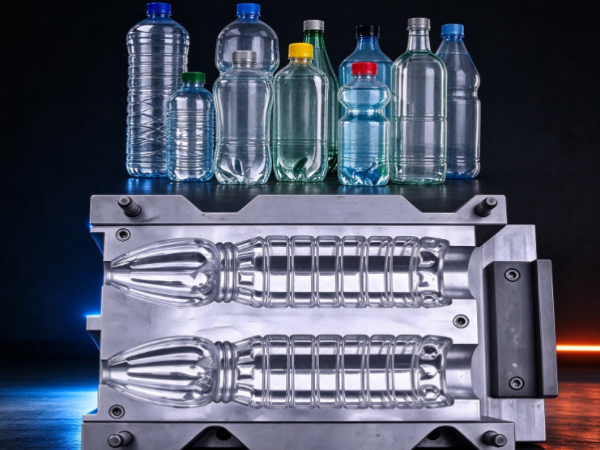
The process isn't limited to drink bottles. It also makes packaging for cleaning products, personal care items, automotive fluids, and household supplies. The exact process depends on the plastic, the bottle design, production requirements, and intended use.
Its value lies in linking product design with repeatable manufacturing. Once a suitable mould and process are in place, manufacturers can produce containers with consistent shapes for filling, labeling, and distribution.
Production systems vary, but moulding follows a general sequence. Each stage affects the finished container's look, structure, and usability.
The process starts with plastic chosen for the application. Materials differ in forming behavior, flexibility, and resistance to environmental conditions. The choice depends on the contents, packaging requirements, and expected handling.
The material must be prepared so that forming stays stable. In some processes the plastic is heated before shaping. In others a ready-made preform is the starting point. Material condition affects how evenly the plastic stretches and responds during moulding.
Depending on the method, the plastic is formed into a preform or into an initial hollow tube called a parison. These intermediate forms supply the material that becomes the bottle.
A preform is typically linked to stretch blow moulding, while a parison is used in extrusion blow moulding. Each has its own production traits and suitable applications. The choice depends on the container design and the manufacturing operation.
The prepared plastic is placed in or around the mould. Air pressure expands it until it follows the mould's inner surface. This step creates the bottle body and sets its main shape.
The mould must support the design without blocking material flow. Areas around the neck, corners, and base, and any change in shape, need careful thought because plastic may not spread evenly across the whole container.
After the bottle takes shape, the plastic must cool enough to keep its form. The mould opens and the container is removed. Depending on the process, extra work may be needed to trim excess material or finish certain areas.
Finished bottles are checked for visible defects, shape consistency, opening condition, and other requirements for their intended use. Further checks may include leak testing or how the bottle performs in filling and handling.
So blow moulding is more than expanding plastic in a mould. Material preparation, mould design, forming conditions, cooling, and inspection all shape the result.
Different bottle designs call for different production approaches. The main types vary in how the plastic is prepared, how the bottle takes shape, and which applications they suit.
Extrusion blow moulding forms a hollow tube of softened plastic and places it between the mould halves. Air is blown into the tube, expanding it until it follows the mould's shape.
It's common for household containers, detergent bottles, personal care packaging, and other hollow products. It handles a range of shapes, including bottles with handles or fairly wide bodies.
The method also suits practical containers where shape, capacity, and ease of handling matter. The mould and forming process still have to be designed around the container's use.
Injection blow moulding starts by forming a plastic preform around a core. The preform then moves to a blow mould, where air expands it into the final container shape.
This approach supports bottles that need a defined neck and a consistent opening. It's often used for smaller containers in personal care, pharmaceutical, and other packaging.
It combines controlled formation of the initial shape with the expansion stage that creates the hollow body. Designers must consider both stages when developing a bottle.
Stretch blow moulding uses a preform that is heated or kept in a suitable forming condition, then stretched and expanded inside a mould. The combined stretching and blowing forms the bottle walls.
It's widely associated with beverage packaging and other containers that need particular strength and clarity. It can produce carefully controlled shapes with a finish that suits automated filling and labeling.
Which method fits depends on the bottle's function, material, appearance, and production requirements. Assess these factors before choosing, instead of assuming one method suits every container.
A bottle's looks may catch the eye, but mould design does far more than set its style. The mould helps decide how the plastic forms, where structural features appear, and how easily the container leaves the production equipment.
Design starts with the bottle's purpose. A liquid soap container may need a comfortable grip and a neck that fits its dispensing closure. A beverage bottle may need a shape that handles and stores well. A household chemical container may need features that ease pouring and reduce spills.
Different uses create different design priorities.
Mould shape affects how the plastic stretches across the bottle. Sharp profile changes, narrow sections, and recessed details make material distribution harder to manage. If the plastic gets too thin in some areas, the bottle may not perform as intended.
Designers must weigh the bottle's appearance against its physical structure. A decorative feature shouldn't compromise the container's ability to hold its contents or survive normal handling.
The neck connects the container to its cap, pump, nozzle, or other closure, so its shape must match the closing system. A mismatched opening can cause problems in filling, sealing, or use.
The neck also has to stay consistent across production. Small differences can affect closure fit or how bottles move through filling equipment. That makes the opening a key part of mould development.
The base supports the bottle on a shelf, filling line, or storage surface. Its shape affects balance and resistance to deformation. A good-looking bottle that doesn't stand securely can cause trouble in packaging and distribution.
Mould design must also allow for cooling and removal. Features that trap the container or make release difficult complicate production. Careful planning aligns the intended shape with practical manufacturing needs.
Material choice affects a bottle's look, flexibility, durability, and compatibility with its contents. No single plastic suits every application. Manufacturers must consider how the container will be filled, stored, transported, and used.
Common materials include:
The material must be compatible with the contents. A cosmetic bottle faces different requirements from one for a household cleaner or a drink. Chemical interaction, storage conditions, light exposure, and closure compatibility can all influence the choice.
Processing behavior counts too. Plastics respond differently to heating, stretching, and cooling. A material that works well with one method may not suit another without changes to the approach.
Manufacturers also consider the package's whole life. Recyclability, material recovery, and the availability of recycling systems may affect the choice. This matters most when designers are trying to cut unnecessary material while keeping the container's performance.
Decide on material together with bottle design and process selection. Treating them as separate tasks can lead to avoidable changes during development.
Efficiency depends on how well materials, moulds, equipment, and inspection work together. A problem at one stage can spill into the next, causing rejected bottles, extra processing, or line stoppages.
Several factors deserve attention in production planning.
Don't judge efficiency by speed alone. A fast process that produces many rejects can use more material and labor than expected. Stable production, effective material use, and consistent quality all count.
Clear communication among design teams, mould makers, and production staff also cuts avoidable delays. When each team understands the bottle's functional requirements, manufacturing difficulties can be tackled earlier.
Blow moulding serves many industries because hollow plastic containers adapt to different contents and handling needs. The basic forming principle stays similar, but each application brings its own design and quality requirements.
| Industry | Common bottle applications | Important considerations |
|---|---|---|
| Food and beverages | Water bottles, drink containers, condiment bottles | Material suitability, closure fit, filling needs, and product protection |
| Personal care | Shampoo bottles, lotion containers, liquid soap packaging | Appearance, grip, dispensing convenience, and compatibility with closures |
| Household cleaning | Detergent bottles, cleaning fluid containers | Chemical compatibility, pouring control, and resistance to everyday handling |
| Healthcare and pharmaceutical packaging | Selected liquid containers and packaging bottles | Intended-use requirements, cleanliness, closure performance, and material compatibility |
| Automotive | Containers for selected automotive fluids | Compatibility with contents, storage conditions, and handling requirements |
| Gardening and agriculture | Containers for liquid plant care products | Pouring convenience, durability, and compatibility with the packaged product |
These applications show why bottle design can't rest on looks alone. A container for a dispensing pump needs a suitable opening and neck structure. A bottle for liquids may need features that support controlled pouring. Packaging for sensitive products may need extra attention to material compatibility and protection.
The production method shapes what's achievable too. Some processes suit bottles with defined necks and tightly controlled shapes, while others handle larger bodies or built-in handles.
Manufacturers need to know the conditions a bottle will face. Storage, transport, filling, stacking, and consumer handling all influence the design. Considering them early lowers the chance of changes after mould development begins.
Sustainability is now a major consideration in packaging design. Manufacturers and product owners are looking at how material choices, bottle shapes, and production practices affect resource use and packaging waste.
Blow moulding can support these efforts when material use and container design are planned carefully. One approach is to remove unnecessary material while keeping the strength and function the bottle needs. Less excess plastic can lower the raw material used per container, though the result depends on the product design and performance requirements.
Lightweighting needs careful evaluation. If a bottle becomes too thin or loses important structural features, it may deform during filling, transport, or use. A damaged container means product loss and more waste. The aim is to balance material reduction with practical performance, not just to make every bottle lighter.
Recycled plastic may also be considered where the material, application, and requirements allow. Suitability depends on the intended contents, material quality, processing behavior, and applicable packaging rules. Manufacturers should assess these conditions before adding recycled material to production.
Bottle shape can affect sustainability in other ways. Containers designed for efficient packing may reduce unused space in transport. A shape that stacks stably can simplify storage and handling. Designs compatible with established recycling systems may make end-of-life processing more practical.
Manufacturing practices matter as well. Cutting rejects, improving material handling, and maintaining equipment all limit avoidable waste. These efforts depend on the production process, but they complement design decisions made earlier.
Sustainable packaging is a shared responsibility among material suppliers, bottle designers, mould makers, manufacturers, packaging buyers, and waste management systems. Blow moulding gives the container its shape, while the broader packaging strategy decides how well that container serves its purpose throughout its life.
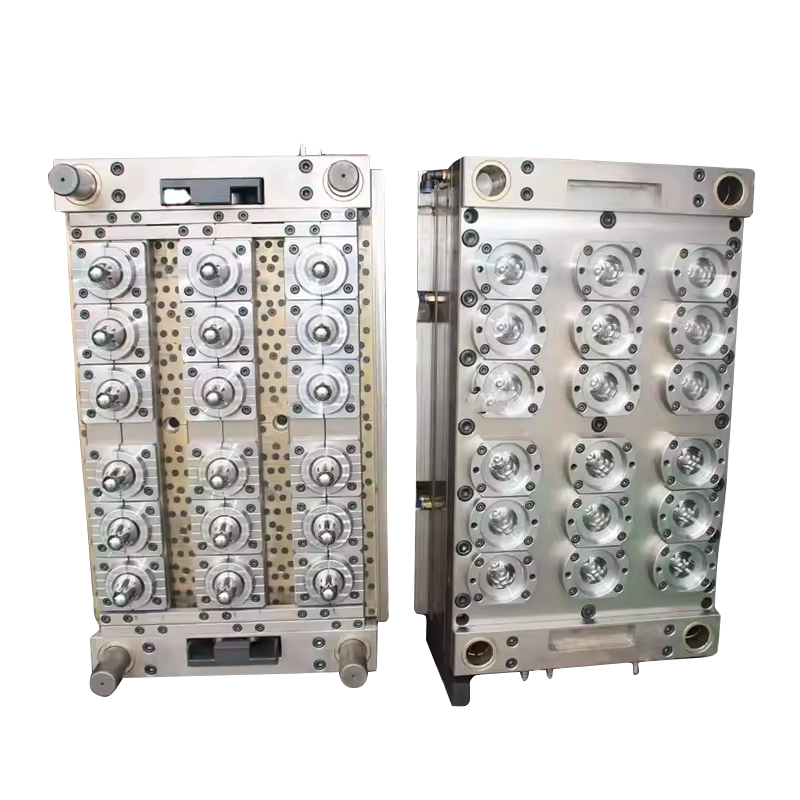
يملأ هذا القالب 18 حاوية واسعة الفم في كل دورة. تستخدمه العلامات التجارية في ...
انظر التفاصيل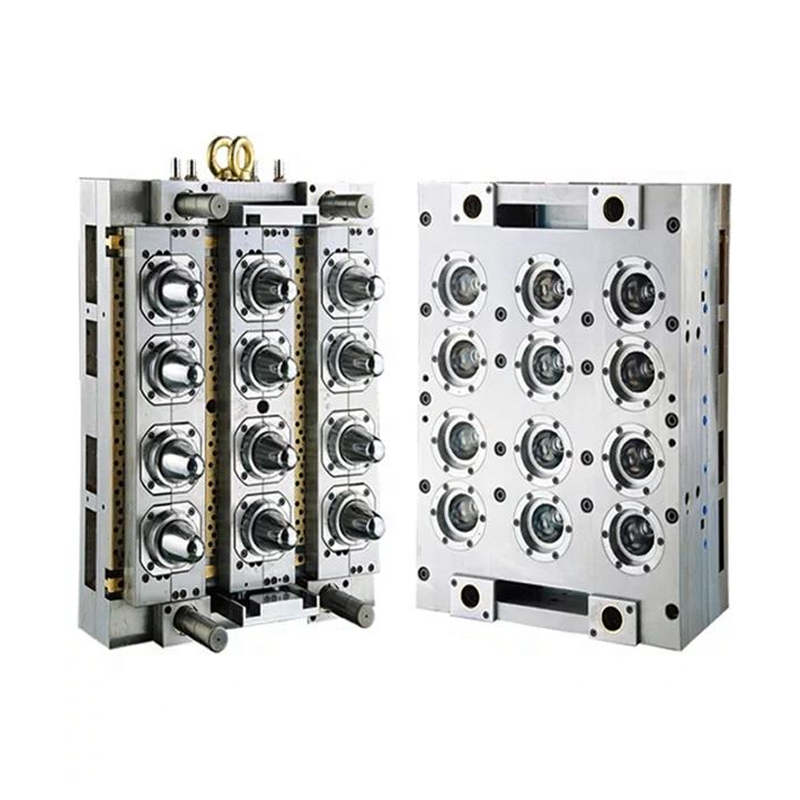
تم تصميم القالب ذو الفم العريض ذو 12 تجويفًا خصيصًا لإنتاج الحاويات البلاستيك...
انظر التفاصيل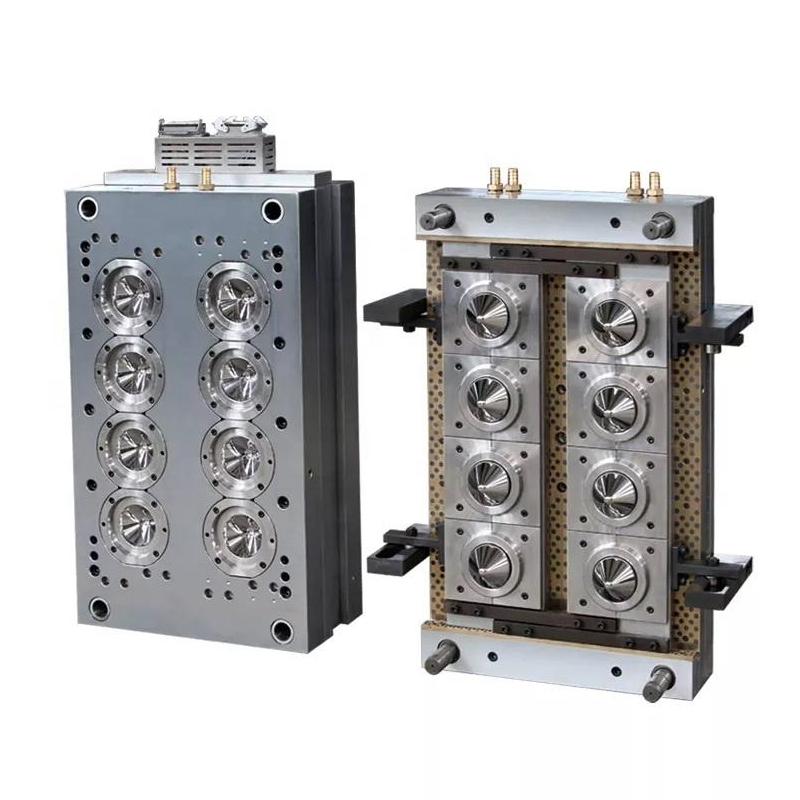
تم تصميم هذا القالب للحاويات ذات الفتحات الكبيرة، مثل الجرار والأحواض وأواني ...
انظر التفاصيل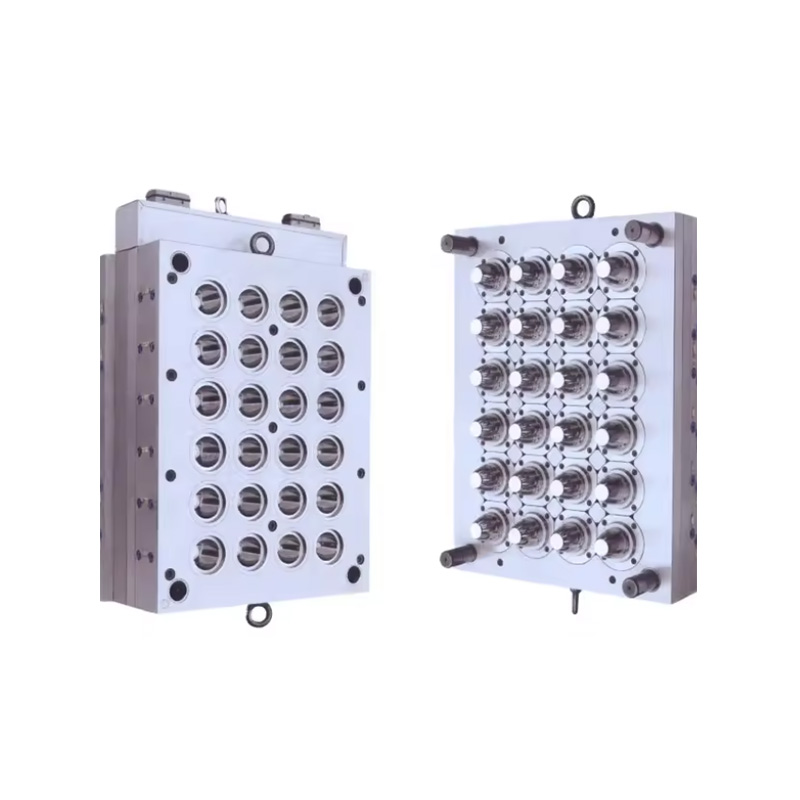
قالب غطاء الزجاجة هو الأداة التي تحول البلاستيك المنصهر إلى إغلاق نهائي. إنه ...
انظر التفاصيل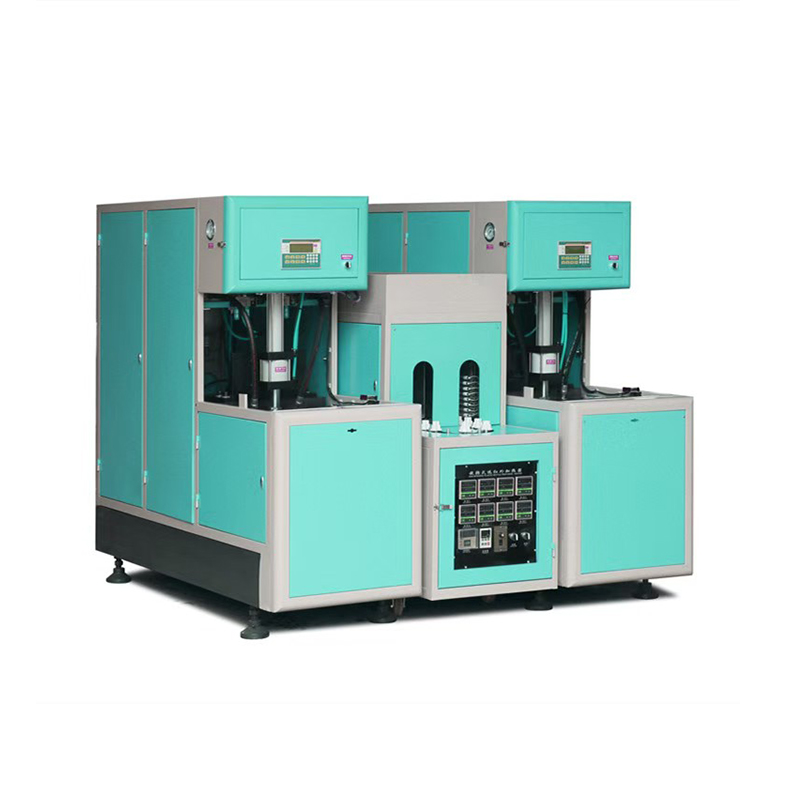
تعد آلة النفخ شبه التلقائية أداة أساسية لإنتاج الحاويات البلاستيكية ، وتستخدم...
انظر التفاصيل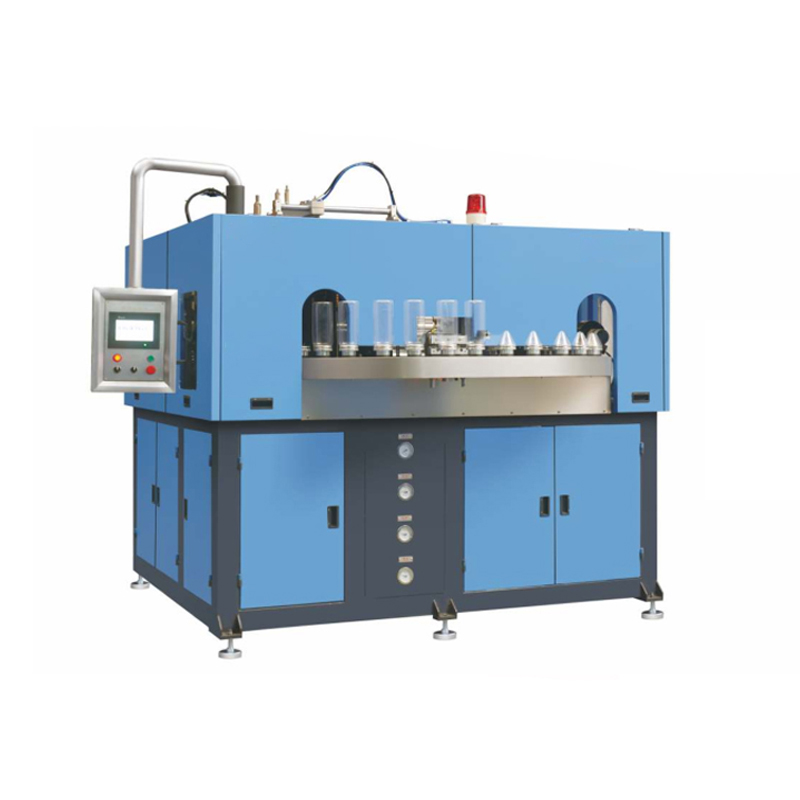
إن آلة نفخ التغذية اليدوية هي أداة فعالة مصممة لإنتاج الزجاجات والحاويات البل...
انظر التفاصيل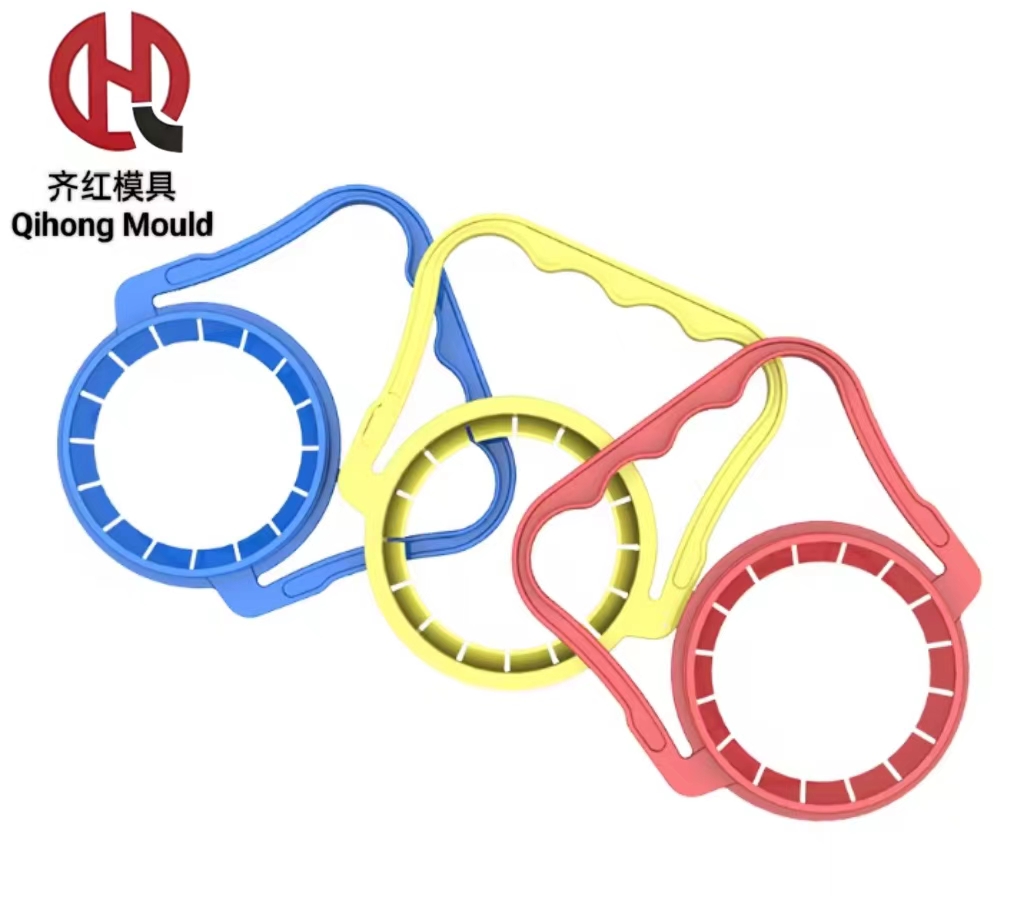
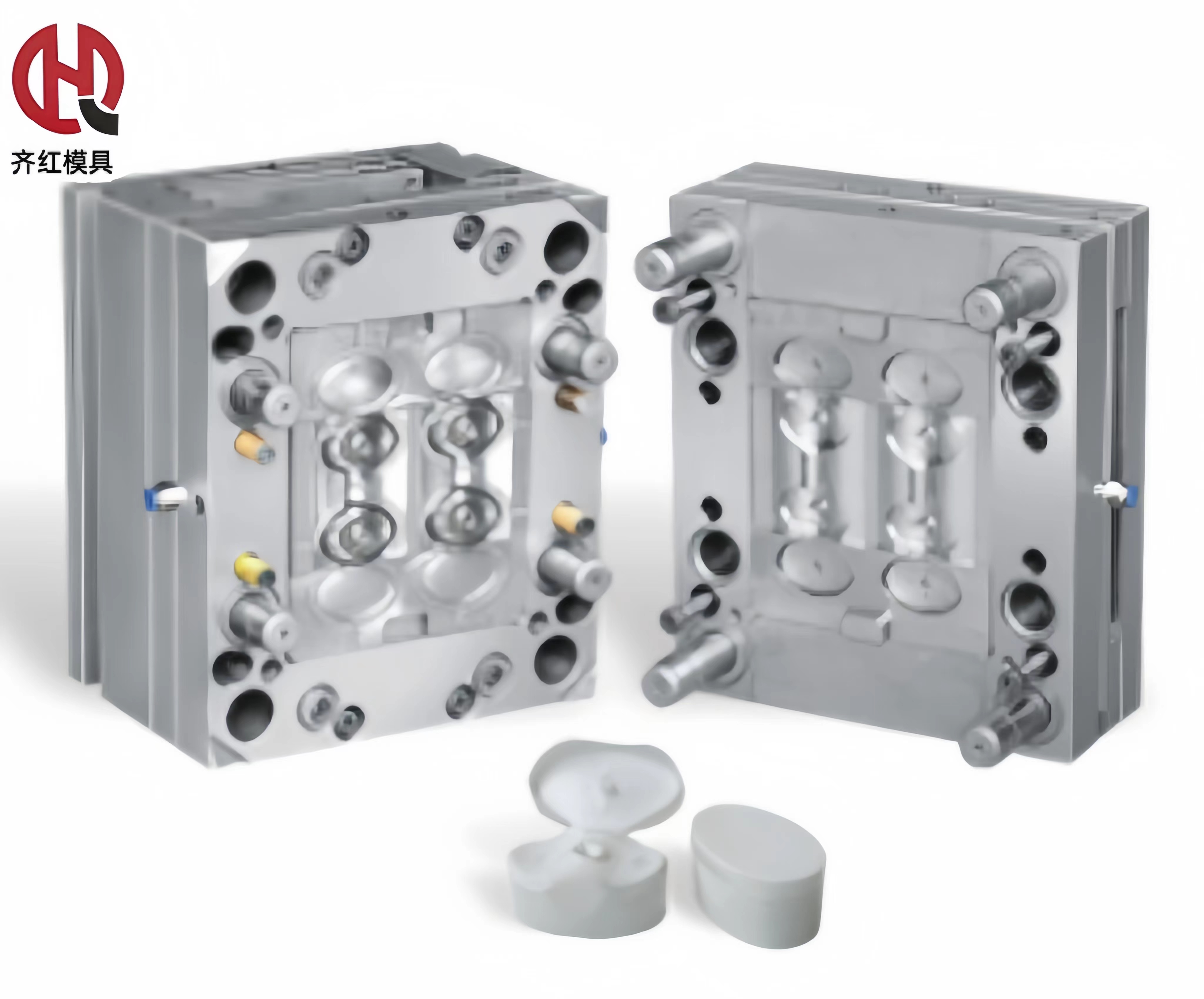
تم تصميم قالب الغطاء البلاستيكي لإنتاج غطاء بلاستيكي عالي الدقة. يضمن قالب ال...
انظر التفاصيل
WhatsApp:+(86) 13957659071 / +(86) 18158637057 / +(86) 15395760157

البريد الإلكتروني:qihongmould@aliyun.com qh15359570157@qq.com

العنوان:حديقة بيج للعلوم والتكنولوجيا، منطقة هوانغيان، مدينة تايتشو، مقاطعة تشجيانغ، الصين.
حقوق الطبع والنشر © Taizhou Qihong Mold Co., Ltd. جميع الحقوق محفوظة