English
 русский
 عربى


48-CAVITY PROMPHT MOULL
تم تصميم قالب التشكيل المسبق 48-Cavity لإنتاج تشكيلات زجاجة بلاستيكية عالية ا...
انظر التفاصيل


Blow moulded bottles turn up everywhere in daily life, from drinks to household cleaners to personal care products. They can look alike, yet the plastics behind them differ a great deal. Each plastic has its own traits, and those traits affect how a bottle is formed, how it performs in use, and how it's handled after disposal.
Choosing a material is a core part of bottle development. A drink bottle may need clarity and a reliable closure. A detergent bottle may need flexibility and resistance to its contents. A bottle handled again and again has different structural needs from a single-use one.
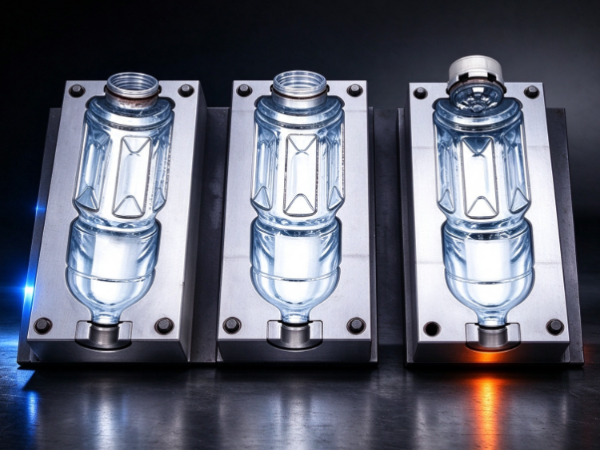
Material also shapes moulding conditions, appearance, production consistency, and packaging cost. Manufacturers should weigh these together instead of picking a plastic for one property.
Knowing the common materials helps packaging designers, buyers, and manufacturers decide well. It also shows why the intended application should guide the choice from the start of development.
The right material depends on the bottle's purpose. Before choosing a plastic, manufacturers need to know what the container will hold, how it will be used, and what it may face in storage and transport.
The packaged product is a main factor. Water, cosmetic liquids, household cleaners, and automotive fluids interact with packaging in different ways. A plastic that suits one product may not suit another.
Manufacturers should check whether the material keeps its properties when exposed to the contents. That includes possible changes in appearance, strength, flexibility, and odor. Where a product has specific safety requirements, the material must also be evaluated against the applicable regulations and test procedures.
A bottle needs enough structure to do its job. Some containers must stay firm during stacking and transport. Others need some give so users can squeeze out the contents.
The material affects how the bottle responds to pressure, impact, and repeated handling. Performance also depends on shape, wall distribution, and mould design, though. Material can't make up for every weakness in the structure.
Transparent packaging lets shoppers see the contents, while opaque or colored bottles give a different look. Surface finish, color consistency, and feel in the hand also shape how a product is presented.
Weigh these against practical needs. A bottle that looks right on the shelf must still support filling, closing, storage, and transport.
Not every plastic works with every blow moulding method. Some are common in extrusion blow moulding, while others are linked to injection or stretch blow moulding. Their behavior during heating, stretching, expansion, and cooling differs.
The material must match the production process and the bottle design. That reduces forming difficulties and helps keep quality consistent.
Several plastics are widely used in bottle making. Each has traits that suit particular packaging needs.
| Material | Common bottle applications | Main characteristics | Important considerations |
|---|---|---|---|
| Polyethylene terephthalate (PET) | Beverage bottles, selected food containers, personal care packaging | Clarity, lightweight structure, and useful strength | Needs suitable forming conditions and application-specific evaluation |
| High-density polyethylene (HDPE) | Detergent bottles, shampoo containers, household chemical packaging | Stiffness, impact resistance, and broad packaging use | Usually opaque or translucent rather than highly transparent |
| Low-density polyethylene (LDPE) | Flexible squeeze bottles and selected dispensing containers | Flexibility and softness | May be unsuitable where more rigidity is needed |
| Polypropylene (PP) | Selected personal care, household, and specialty containers | Stiffness and resistance to many chemicals | Bottle design and process compatibility need careful assessment |
| Polyvinyl chloride (PVC) | Selected specialty packaging applications | Can be formulated for different physical properties | Regulatory, recycling, and application requirements need attention |
These materials aren't interchangeable. Suitability depends on the contents, container design, manufacturing method, and applicable requirements.
PET and HDPE are the most familiar, but don't choose on popularity alone. A flexible container may call for a different plastic from a rigid bottle, even when both hold similar products.
Treat the table as a general guide. Real selection should consider the specific formulation, processing conditions, and expected use of the finished bottle.
PET is widely used for bottles that need a clear look and a fairly light structure. You'll find it in beverage packaging, cooking oil containers, and some personal care products.
One reason PET suits many bottles is that it forms smooth, transparent containers. Shoppers can see the contents, and manufacturers can create a clean visual style. PET bottles can also have different body shapes, shoulders, necks, and bases to suit different products.
PET is closely tied to stretch blow moulding. A prepared preform is heated as needed, stretched, and expanded inside a mould. The stretching helps build the bottle's structure and affects how material spreads across the container.
PET supports lightweight packaging, but bottle design still matters. If the walls aren't formed properly, the container may lack the support it needs for filling, transport, or handling. Manufacturers must weigh material use against the bottle's intended performance.
PET isn't automatically right for every liquid or storage condition. Product compatibility, closure design, storage temperature, and food-contact requirements all need checking. Some products need packaging with different protective properties.
Recycling is another point. Many established systems collect PET, but actual recovery depends on local facilities, collection practices, color, additives, and the overall package design. Labels, closures, and other attached parts can also affect sorting and processing.
For clear bottles, PET is a practical option when its forming traits and product compatibility fit the application. Decide by the needs of the packaged product, not by looks alone.
HDPE is widely used for containers that need a firm structure and resistance to everyday handling. It's common in detergent bottles, shampoo packaging, cleaning product containers, and some industrial liquid packs.
HDPE usually gives opaque or translucent bottles, not fully transparent ones. That suits products that don't need to be shown through clear packaging. The material also works for containers with handles, shaped grips, and other practical features.
Extrusion blow moulding is the usual method for HDPE bottles. The plastic is softened and formed into a hollow shape, and air then expands it against the mould surface. This handles many container designs, including fairly wide bodies and built-in handles.
Chemical compatibility is one reason HDPE is considered for household and industrial packaging. Resistance varies with the chemical, its concentration, storage conditions, and contact time, though. Don't assume every HDPE bottle suits every cleaner or industrial liquid.
Structure needs attention too. A container for a heavy liquid may need a stable base and enough wall support. A narrow opening may need a different neck from one meant for pouring. Develop the material and mould together to meet these needs.
HDPE supports practical packaging designs, but the finished bottle still needs proper evaluation. Check leakage, deformation, closure fit, and resistance to the intended contents before the package goes into regular production.
LDPE and PP may fit when a bottle needs particular handling traits or resistance to certain contents. They serve different purposes, so the choice depends on how the container will be used.
LDPE is fairly flexible. It's used in some squeeze bottles and dispensing containers where users press to release the contents.
That flexibility helps with products such as selected personal care liquids, lotions, and household formulations. A well-designed squeeze bottle should return to a suitable shape after use and dispense without excessive effort.
Flexibility brings design challenges, though. A bottle that's too soft may collapse during filling or storage. A container that must stand securely may need a different material or a carefully developed base.
LDPE doesn't suit every blow moulding process or bottle design. Manufacturers should assess how it behaves during forming and whether it keeps the required shape.
PP combines stiffness with resistance to many chemicals. It's used in selected packaging where those traits matter.
It can be considered for certain personal care products, household containers, and specialty packaging. Suitability depends on the bottle structure, the contents, and the manufacturing method. Not every PP grade is made for the same forming process.
Heat response matters as well. Consider the processing conditions and the temperatures the finished container may meet during filling, storage, or use. A bottle facing high temperatures may need extra evaluation.
Judge LDPE and PP by the container's function. Flexibility may be the key need for a squeeze bottle, while stiffness or resistance to particular contents may matter more elsewhere. Either way, the material must work with the chosen moulding process.
No. A plastic that works for general packaging isn't automatically suitable for food, beverages, cosmetics, or products applied to the body. Suitability depends on the formulation, the contents, the conditions of use, and the relevant regulations.
For food and beverage packaging, manufacturers must consider whether substances could migrate from the packaging into the contents. The evaluation may depend on the food type, contact conditions, storage period, and intended use. Verify compliance for the specific application instead of assuming it from the plastic's name.
Personal care products bring their own challenges. Shampoos, lotions, creams, and other formulations may contain ingredients that interact differently with packaging. Some products also need protection from light or air, which affects the choice between transparent, translucent, and opaque bottles.
Consider the closure alongside the bottle. A suitable container can still leak or show compatibility problems if the cap, liner, pump, or dispenser doesn't work with the contents. The neck finish must also give a secure connection to the closure.
During material assessment, review these factors:
These checks stop a material being chosen on looks or cost alone. Performance depends on the whole container system: bottle body, neck, closure, and the conditions of use.
Material selection affects more than the plastic's price. It also influences mould development, production conditions, inspection needs, rejects, and the amount of material in each bottle.
Plastics behave differently during blow moulding. Some stretch readily under the right conditions, while others need different approaches to heating, forming, or cooling. These differences shape the production process and the equipment required.
Mould design is closely linked to material behavior. A bottle with complex contours may be harder to form consistently if the plastic doesn't spread evenly across the mould. Designers may need to adjust the shape, wall structure, or forming approach.
Material use affects cost as well. A lighter bottle needs less plastic, but it must still hold its shape during filling, transport, and handling. If thinner walls cause frequent deformation or damage, the resulting waste and replacement costs may cancel the savings.
Other factors also influence overall cost:
| Cost factor | How it affects production |
|---|---|
| Raw material selection | Different plastics and grades have different purchase costs and processing needs |
| Bottle design | Complex shapes may need extra mould development and process adjustment |
| Mould compatibility | The moulding method must suit the material and container structure |
| Production consistency | Uneven forming or defects can raise rejects and material waste |
| Inspection requirements | Some applications need extra checks for leakage, compatibility, or package integrity |
| End-of-life handling | Material combinations and package components can affect recycling options |
Assess the link between material and cost across the full production process. A pricier material may still make sense if it meets the container's needs with less waste or fewer production problems. A cheaper option may be wrong if it can't deliver the performance required.
Early talks among packaging designers, material suppliers, mould makers, and production teams help surface these issues before manufacturing starts.
Recycled plastics can go into some blow moulded bottles, but suitability depends on the material, the recycling process, the intended contents, and the applicable regulations.
Recycled PET appears in selected bottle applications, including certain beverage and personal care packs. Recycled HDPE is also used in some household and industrial containers. What's permitted varies by application and by the requirements of the relevant market.
Recycled plastic quality varies with its source and processing history. Contamination, mixed materials, color shifts, and varying properties can affect the finished bottle's look and performance. Manufacturers must check whether the recycled material can meet the required forming and packaging conditions.
Preparation is especially important. Recycled plastic may need sorting, cleaning, and processing before production. The result must suit the chosen blow moulding method and the desired bottle structure.
For food-contact uses, recycled material must meet the relevant safety and regulatory requirements. Not every recycled plastic stream is fit for direct contact with food or drink. Verify the origin, processing method, and compliance of the material before use.
Bottle design also affects how practical recycling is. Compatible materials and fewer unnecessary component combinations may support material recovery. Consider labels, closures, colors, and other package features as part of the overall design.
Recycled content is one factor in material selection, not a replacement for performance evaluation. The finished bottle must still meet the requirements for its contents, intended use, and manufacturing process.
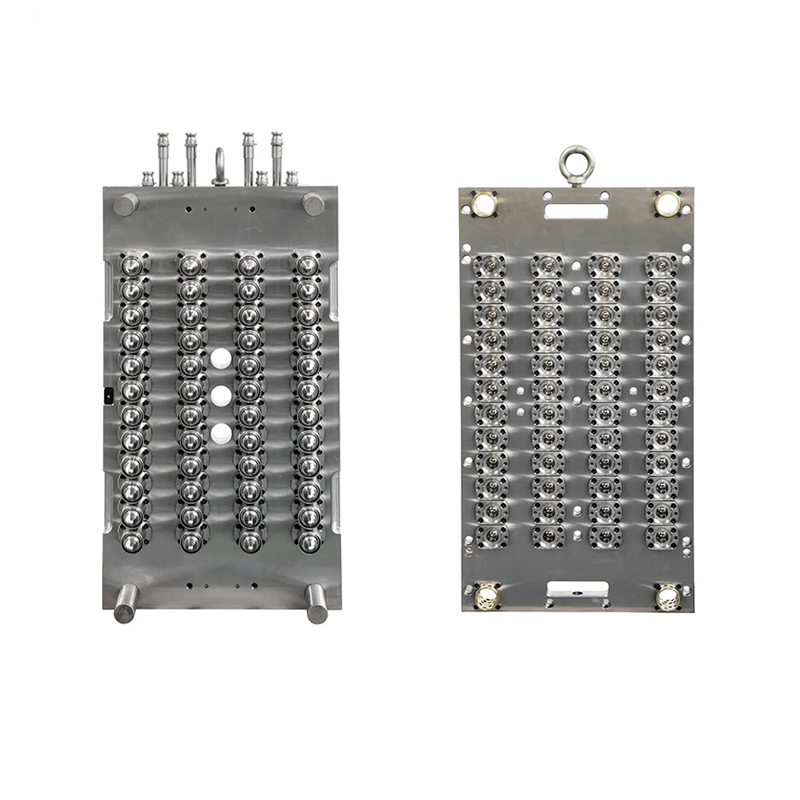
تم تصميم قالب التشكيل المسبق 48-Cavity لإنتاج تشكيلات زجاجة بلاستيكية عالية ا...
انظر التفاصيل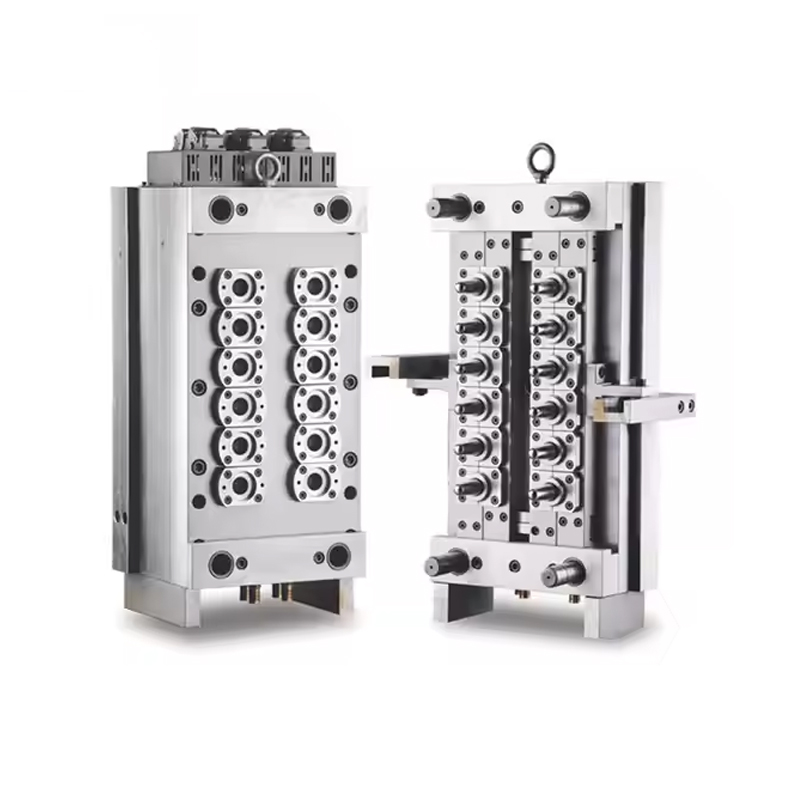
يعد قالب التشكيل المكون من 12-Cavity أداة عالية الكفاءة مصممة لإنتاج التشكيلا...
انظر التفاصيل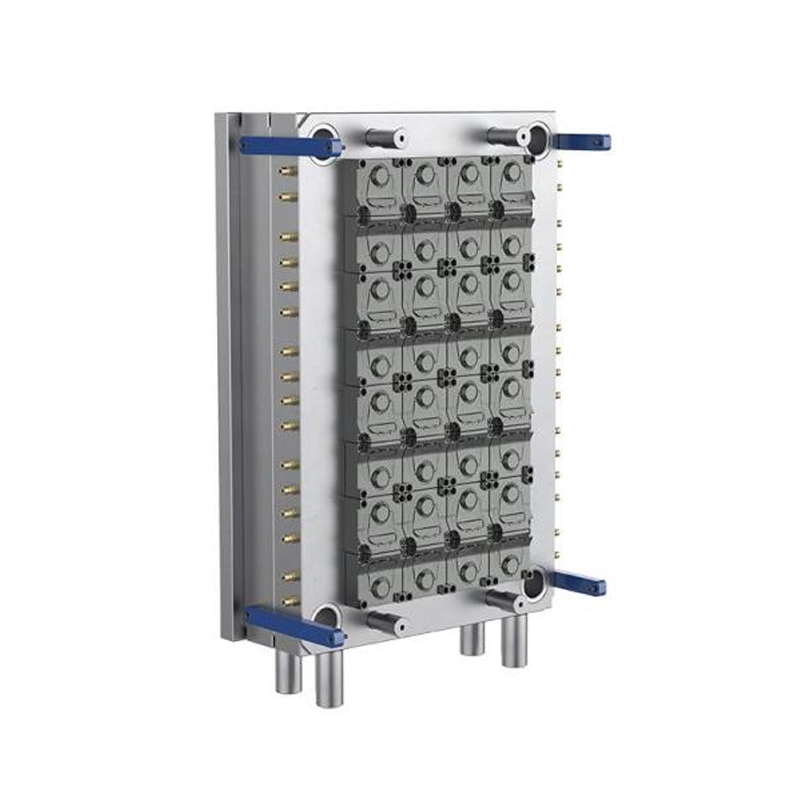
قالب المقبض هو قالب متخصص يستخدم في تصنيع المقابض البلاستيكية، عادة للحاويات ...
انظر التفاصيل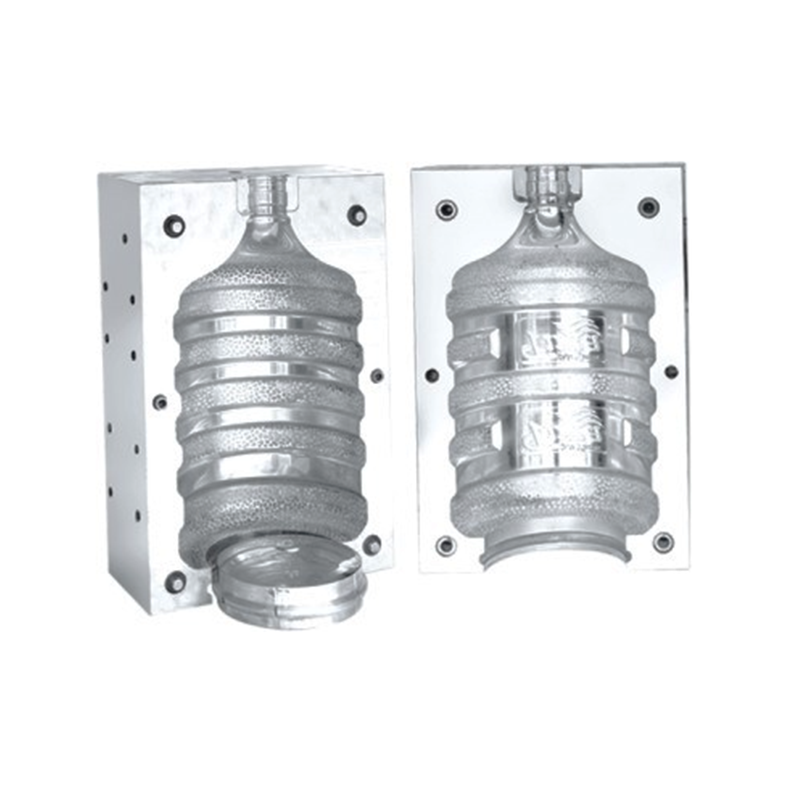
قالب الزجاجة بخمسة جالون هو أداة متخصصة مصممة لإنتاج حاويات بلاستيكية كبيرة ش...
انظر التفاصيل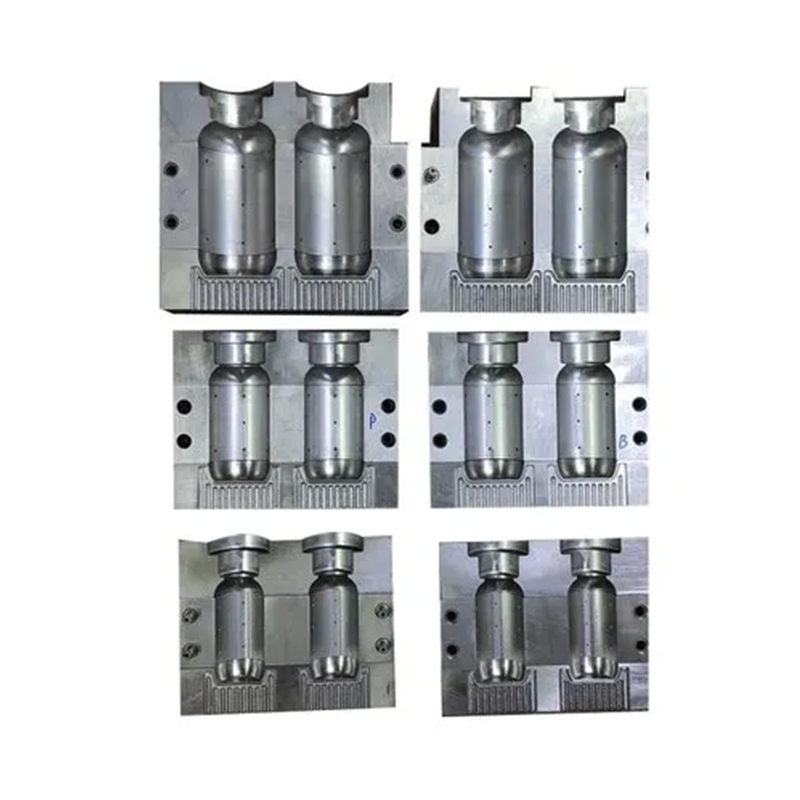
لا تترك عبوات الأدوية مجالًا كبيرًا للخطأ. يصنع هذا القالب الزجاجات البلاستيك...
انظر التفاصيل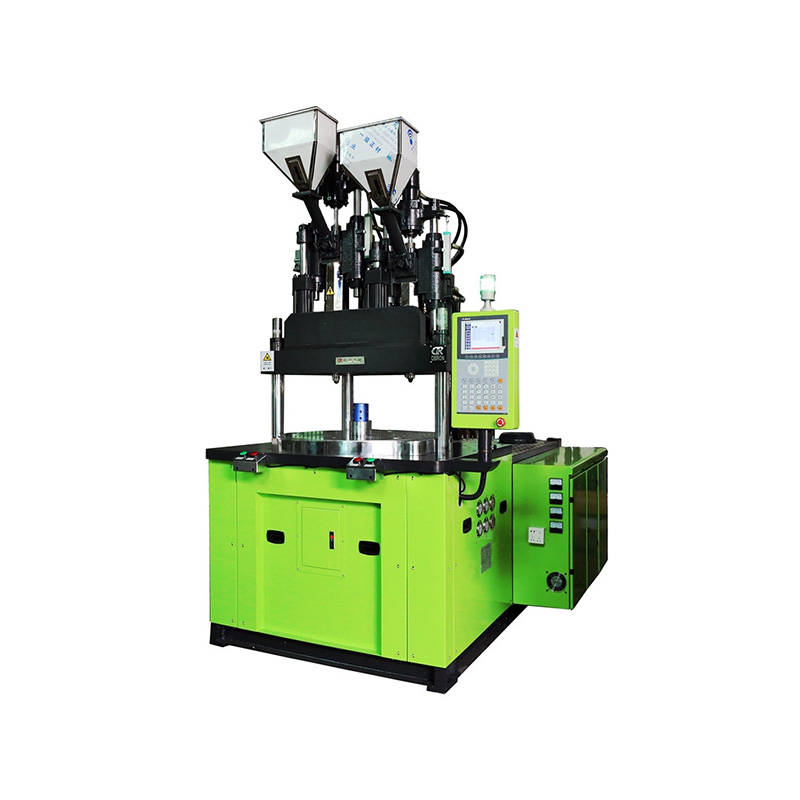
تعتبر آلة التشكيل بالحقن قطعة مهمة من المعدات في تصنيع المنتجات البلاستيكية. ...
انظر التفاصيل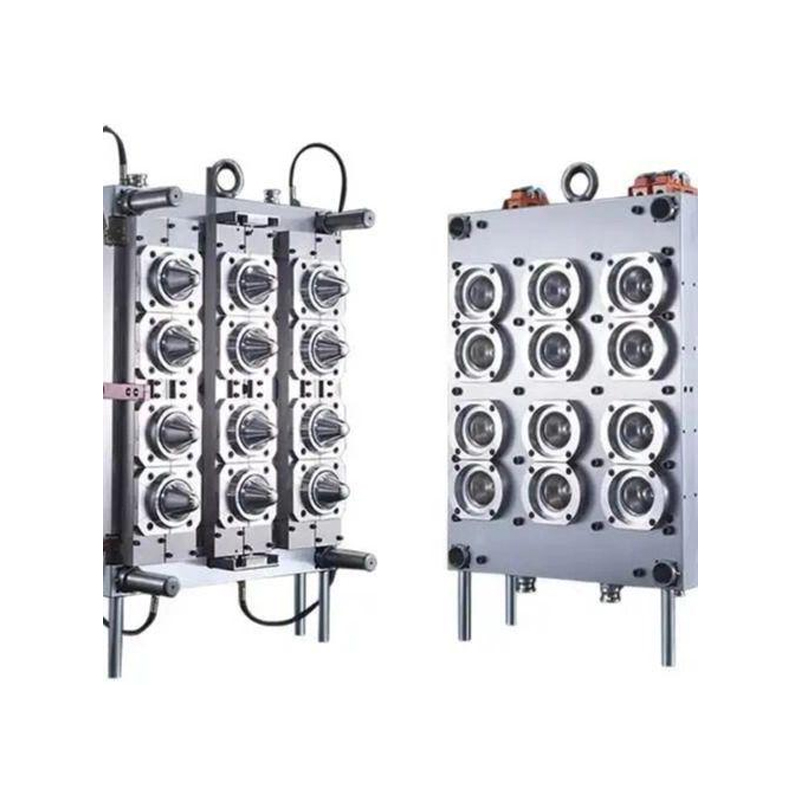
تعد قوالب التشكيل ذات الفم العريض ذات 12 تجاويف من Qihong أدوات عملية لإنتاج ...
انظر التفاصيل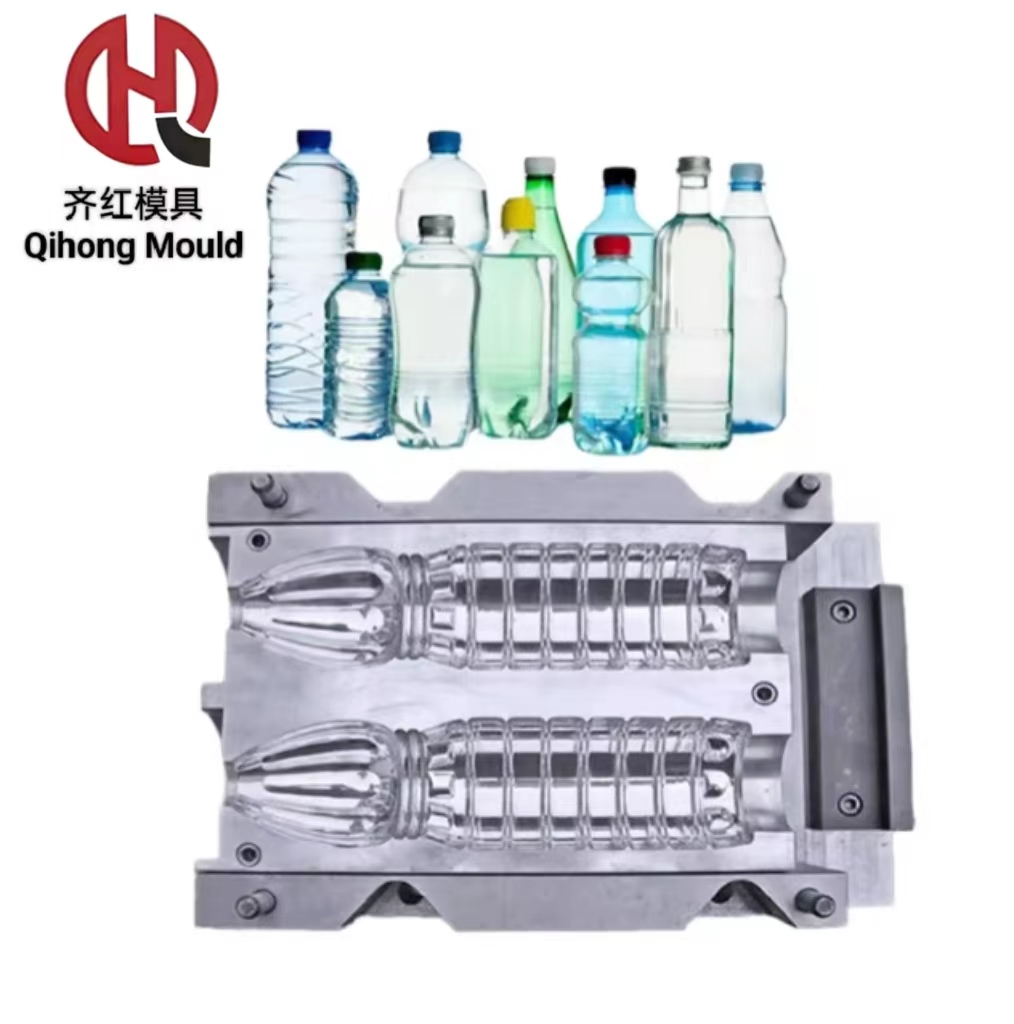

WhatsApp:+(86) 13957659071 / +(86) 18158637057 / +(86) 15395760157

البريد الإلكتروني:qihongmould@aliyun.com qh15359570157@qq.com

العنوان:حديقة بيج للعلوم والتكنولوجيا، منطقة هوانغيان، مدينة تايتشو، مقاطعة تشجيانغ، الصين.
حقوق الطبع والنشر © Taizhou Qihong Mold Co., Ltd. جميع الحقوق محفوظة